
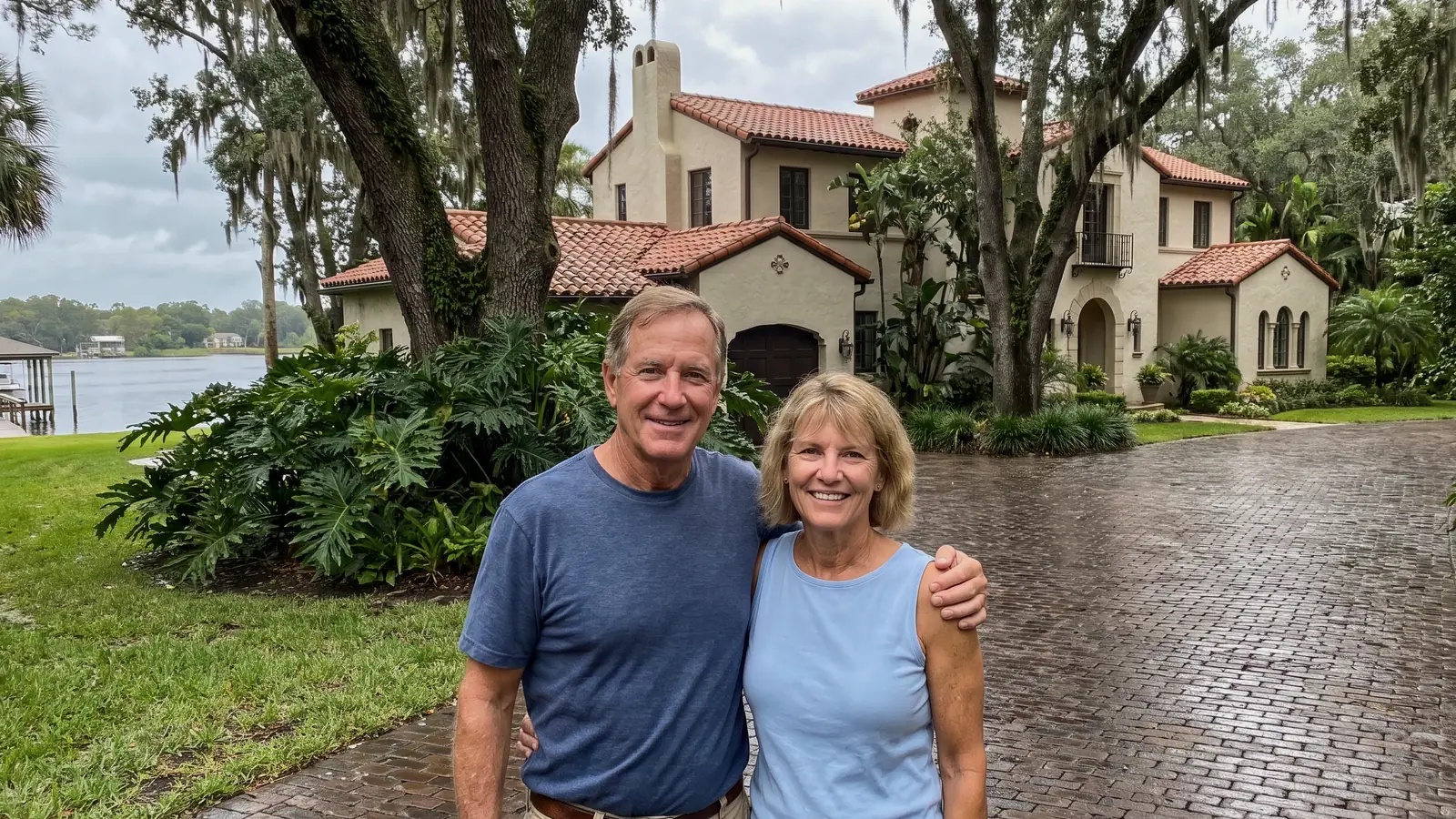
Paver sealing for Cape Coral homes
Paver Sealing in Cape Coral, FL
Paver sealing in Cape Coral, from canal-side pool decks to driveways across the Cape, starts with a free estimate: (239) 306-7120.
- Brings out deeper paver color
- Fresh joint sand helps lock pavers in place
- Gives weeds less room to grow
- Makes the surface easier to keep clean
- Free estimate, no obligation
Request a Free Estimate
Free, no obligation.
Fast, careful paver sealing in Cape Coral
Canal lots, lanais and long drives all get paver sealing in Cape Coral, from the old streets south of Cape Coral Parkway to the newer blocks past them. The work is cleaning, new joint sand and sealer from a local contractor, with a free estimate up front. Use get a free estimate, and the answer arrives inside 1 business day, often well before.
Many Cape Coral pool decks sit a few steps from a canal, and the pavers show it in a flat, grayish tone with green in the joints. After a wash, fresh sand and a coat of sealer, that deck reads clean and even again. Want to describe your surface first? Call (239) 306-7120.
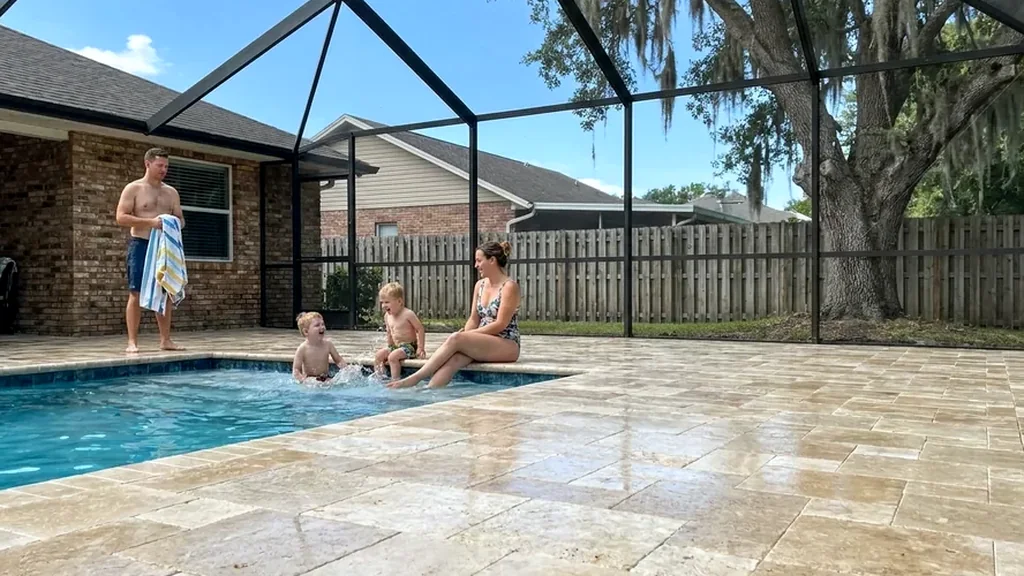
Why hire a local paver sealing contractor in Cape Coral?
Pavers differ across Cape Coral's 120 square miles because homes were added in waves after 1958. A local contractor knows the older south-side streets and the newer blocks alike, and get a free estimate brings that knowledge to your door.
Free measure, then a price
A contractor measures your Cape Coral pavers for free. You see a price before deciding anything.
A yardstick for quotes
Across Southwest Florida the published range is $1.50 to $3.50 per square foot, which gives you a way to judge bids.
Drive, lanai and deck together
Quote all three in one visit and pick one finish for every surface.
Built for rain
Rain falls on about 145 days a year here. Ask how delays work. Moving a date carries no fee.
Get Your Free Estimate in Cape Coral
Tell us about your pavers in Cape Coral.
Free, no obligation
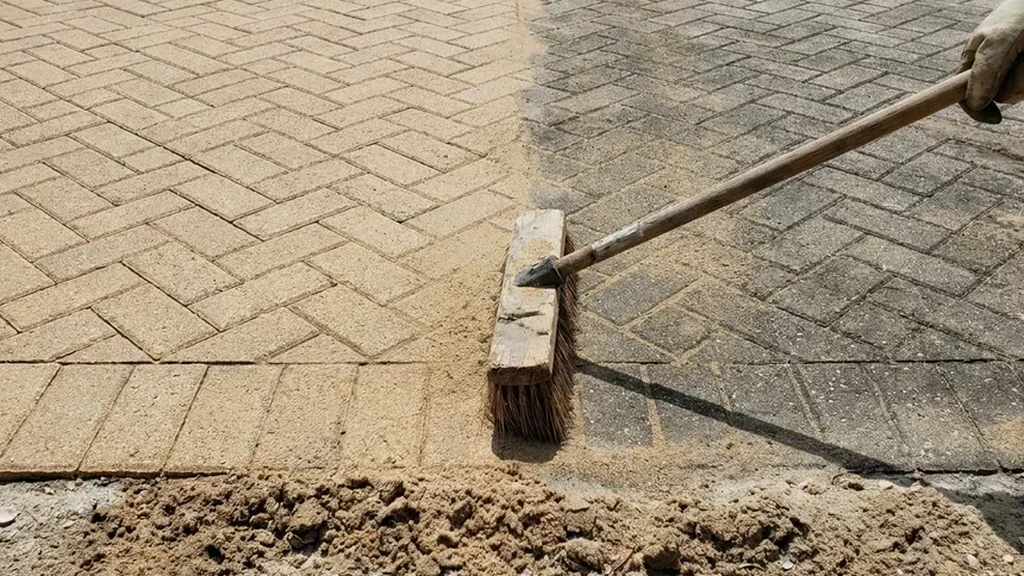
What paver problems show up most in Cape Coral?
Canal-side pool decks that stay damp
Cape Coral has over 400 miles of navigable waterways, and many homes back onto a canal. Pool decks and patios near the water see more humidity and splash, which feeds algae and mildew along the edges. A thorough wash is the first job, because sealer put over green growth keeps the growth under the coat. Ask the contractor to look at the edge nearest the water first, since that is where growth usually starts. Sealing afterward slows its return. The first four homes went up in 1958, so some streets hold pavers that have been replaced and resealed more than once. Cape Coral's canals were dug as the streets went in, so many lots sit a short walk from open water. Four Mile Cove Ecological Preserve, with its raised mangrove trail, shows how close mangrove shoreline sits to many neighborhoods.
Summer downpours and washed-out sand
Cape Coral gets about 56 inches of rain a year, mostly from June to September, in heavy but brief afternoon storms. The ground under Lee County is sand that sheds water quickly, and joint sand leaves with it. Open joints invite weeds and ants, so sand is replaced before any coat goes down. Pool coping and steps are the places where sand goes missing first. A quick look after the rainy season tells you whether the joints need topping up. With over 400 miles of waterways, a large share of lots touch water, and humidity follows. Heavy, brief storms flush sand faster than steady rain would.
Rust bands from sprinkler water
Florida well water is rich in iron, UF/IFAS notes, and irrigation fed by it leaves orange streaks wherever it lands. A head that sprays the drive can paint a band across the pavers. Rust needs a cleaner of its own ahead of any sealer. Point out where your heads spray, because re-aiming one may stop the stain from returning. Sprinklers that run often can leave a band within a season.
Sun-faded color on lanai floors
Cape Coral enjoys about 355 days of sunshine a year, so pavers around lanais and pools rarely rest from the light. Guidance from a Naples company is 2 to 4 years between coats, with full sun at the short end. Once the color looks chalky, the coat has likely worn through. Ask for a sample in a natural finish and a wet finish to compare. About 355 sunny days a year leave few pavers any rest.
A mystery coat from an earlier owner
Houses here have changed hands for decades since the first ones were finished in 1958, and a past owner may have used a product nobody recorded. A solvent-based coat blocks a water-based one, so a hidden-corner test comes first. Knowing the old coat avoids a peeling new one. Homes and pool decks on the Cape's grid have changed owners many times since 1958, so records are rare. Ask the contractor to note the finish used, so a later coat can match.
Is the south Cape different from the rest of Cape Coral?
It can be, because that is where the city started. The first four homes went up in 1958 on Riverside and Flamingo Drives, and early building centered on Redfish Point south of Cape Coral Parkway. By 1963 the city had 160 miles of canals. Pavers there may be older and more worn, so mention your street when you get a free estimate.
Farther out, the grid keeps going, and the city covers 120 square miles. Homes there went up in later waves, so the pavers and the sealer on them vary a lot from block to block. A contractor will want to see yours before quoting, instead of guessing from the street name. Call (239) 306-7120 to set up a look.
Two of the bridges tie the city to Fort Myers across the Caloosahatchee. The Cape Coral Bridge opened in 1964 and joins Cape Coral Parkway to College Parkway, and the Midpoint Memorial Bridge links Veterans Parkway to Colonial Boulevard. Travel across the river and across a wide city adds time to a job. When you are ready to plan, get a free estimate.
What does paver sealing cost in Cape Coral?
Think of the quote in three parts: a wash, new sand and a coat, priced together at $1.50 to $3.50 per square foot across Southwest Florida. Cape Coral drives with intact joints land at the bottom. Algae-heavy canal decks, rust and old failing coats climb toward the top. get a free estimate to price your square footage.
Distance and shape matter too. One lanai, pool deck and driveway quoted together make a single large job, while scattered small areas cost more per foot. Across 120 square miles, travel can add a little. Call (239) 306-7120 and ask what would apply to your lot.
| Paved area | Typical example | Clean, sand and seal |
|---|---|---|
| 300 sq ft | Small patio or walkway | $450 to $1,050 |
| 600 sq ft | Two car driveway | $900 to $2,100 |
| 1,000 sq ft | Large driveway or pool deck | $1,500 to $3,500 |
| 1,500 sq ft | Driveway plus pool deck | $2,250 to $5,250 |
Math based on the $1.50 to $3.50 per square foot that Southwest Florida paver companies publish. Your contractor sets the actual price after seeing the surface. Repairs, leveling and stripping failed sealer are usually extra.
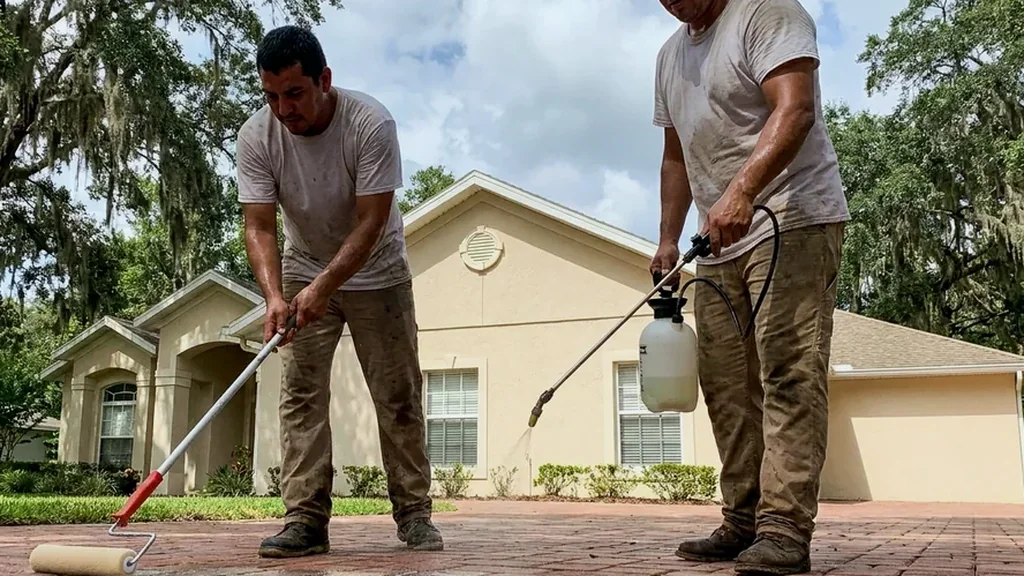
How does a paver sealing job work in Cape Coral?
Survey the property
Step one is a walk-around of the drive, lanai and deck. Water pooling, sprinkler reach and lifted spots are noted, and a test in a hidden corner reveals the old coat's type. Repairs come ahead of sealing. On a canal lot, the walk includes the water side of the deck, where splash and humidity gather. Lots that back onto a canal get a look at the water side first.
Wash
This step strips the film summer rain leaves and the algae that grows close to canal water. Sprinkler rust gets separate treatment. The screen enclosure, shrubs and pool are covered or rinsed with care. A canal-side deck can need a longer scrub than a drive on a dry street. Canal-side humidity means a bit more scrub time.
Re-sand
Washing empties the joints, so sand is brushed back in. Lee County's sandy ground drains fast, which makes open joints common. A final sweep follows. Open joints are common on pool decks that get daily splash. Decks with daily splash lose sand along the coping first.
Dry
Wet pavers cannot be sealed. Afternoon storms are common in summer, so work starts on a clear morning and may move if the sky builds. Shaded spots by a screen can need extra time. Cape Coral sees rain on about 145 days a year, so patience here saves rework. With 145 rain days a year, a flexible date helps.
Seal
Sealer is applied evenly in whichever finish you picked. Ask how long to keep cars, feet and furniture off, since it depends on the product and the weather. Matte hides scuffs longer than wet look does. Ask whether the canal side of the deck should get a different finish from the drive. The contractor notes the finish used, so a later coat can match.
Complete paver services in Cape Coral
Wash, sand, dry, seal: that is the Cape Coral sequence. Canal humidity breeds film and algae, so the scrub comes first. Fresh sand follows, then the coat, so nothing sits on top of dirt. Call (239) 306-7120 for a time estimate on each stage for your property.
A Cape Coral property usually has three zones. The drive takes tires, the lanai sits in screen shade, and the pool deck bakes in sun and chlorine. Any walk beside the water can stay damp. When you get a free estimate, list the zones you want done and the order gets planned around them.
Solvent-based sealer soaks into stone, while water-based sealer sits on top and firms the joints, usually over two or more coats, according to one local company. Matte hides scuff marks better than a wet finish. To compare both finishes on a sample of your pavers, call (239) 306-7120.
Most of the 56 inches of yearly rain falls from June to September, in brief afternoon storms, so rain decides the calendar. November to April is easiest. Some summer mornings are clear enough to work. To choose a date, get a free estimate.
Questions to ask before you hire
- How do you deal with the orange rust spots left by sprinkler water?
- Do you add fresh joint sand where the old sand has washed out?
- What happens to the sealer if an afternoon storm rolls in early?
- Do you cover my plants and the pool before you start?
- Can you work inside my community's rules on contractor days and hours?
- Do you carry general liability coverage, and can I see the certificate?
- Will you rinse the salt film off before sealing if my home is near the water?
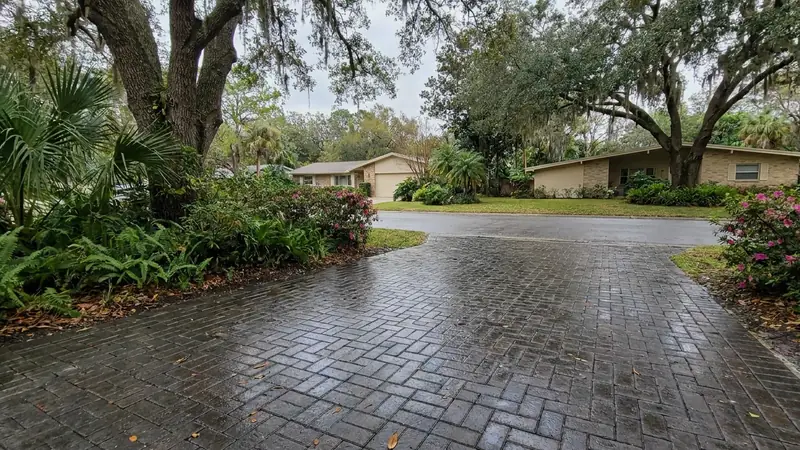
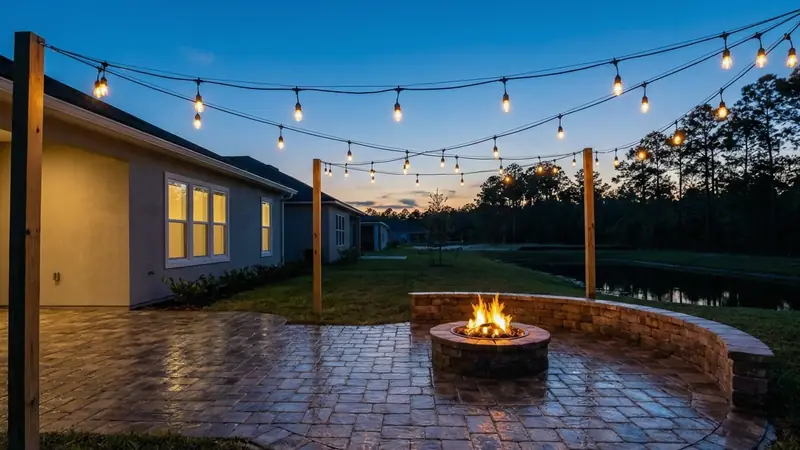
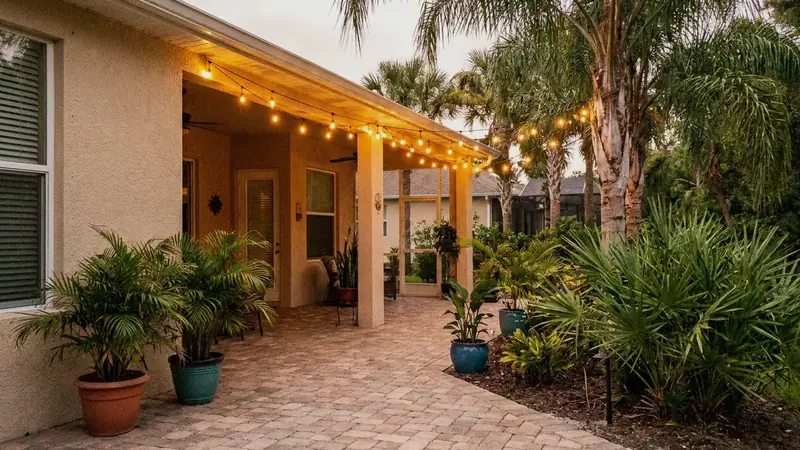
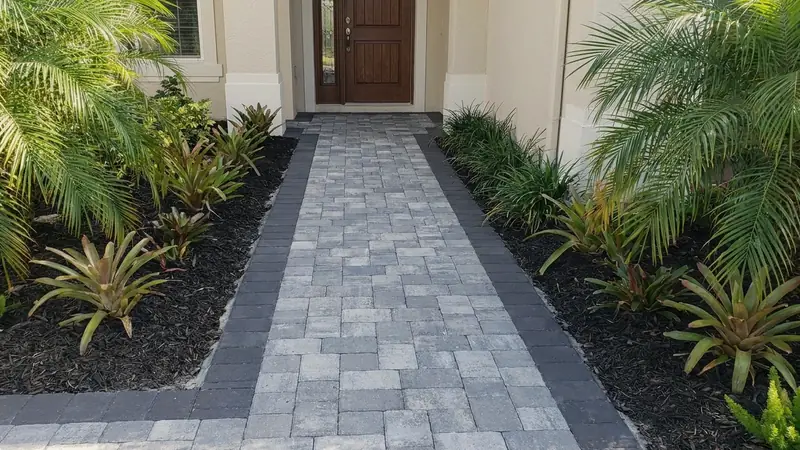
What do sealed pavers look like around Cape Coral?
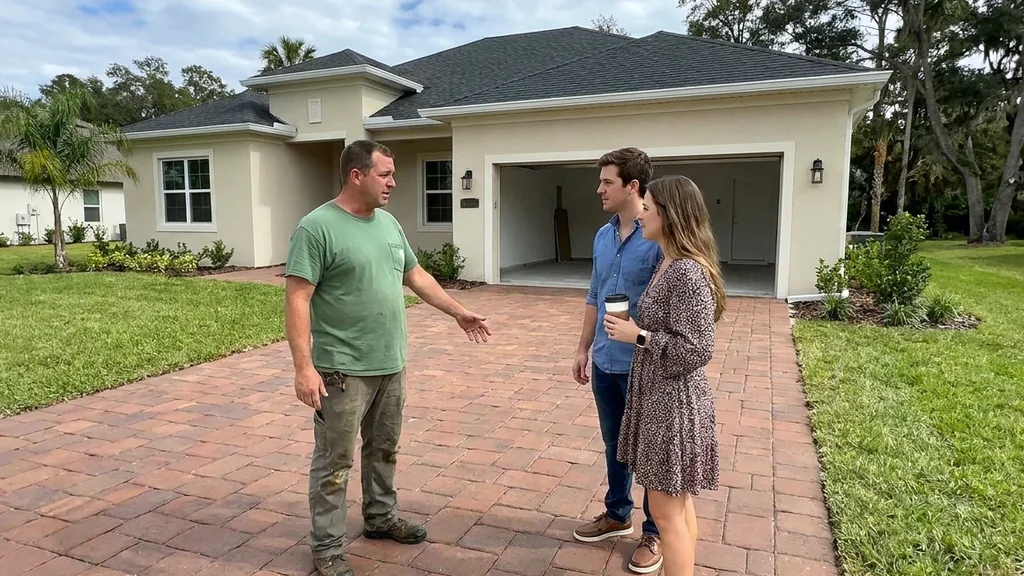
Why local matters in Cape Coral
Anyone who works Cape Coral learns the map fast: canals, two bridges and a long haul between the north and south ends. That knowledge shapes the schedule and the start time, and fewer delays mean a smoother day. To speak with someone who works the Cape, call (239) 306-7120.
Moisture is the local theme. Canal-side decks stay humid, and summer storms build quickly over the Cape. A contractor used to this starts early and gives the surface time to dry, so ask how a stormy week would shift the plan when you get a free estimate.
Streets here hold houses of different ages, and so do their pavers. A trained local eye spots a failing old coat or a lifted edge on the first walk, which keeps the quote close to the final bill. For that look, get a free estimate, with no obligation.
Why does Cape Coral have so many canals?
Because it was built as a planned waterfront community. Leonard and Jack Rosen bought a 103-square-mile tract in 1957 for $678,000, and canals were dug as the streets went in. Today the city has over 400 miles of navigable waterways. If your lot backs onto one, call (239) 306-7120.
The city sits on a peninsula between the Caloosahatchee River and Matlacha Pass, with Four Mile Cove Ecological Preserve and Rotary Park as green spaces. Burrowing owls and manatees at Sirenia Vista Park are part of the local scene. It was incorporated on August 18, 1970 and held 194,016 people at the 2020 count. For a free estimate anywhere in town, get a free estimate.
Frequently Asked Questions
How often should you reseal pavers in Cape Coral?
Plan on a fresh coat every two to four years, the range Lifetime Pavers gives for its Southwest Florida market. Sun-baked lanai floors and pool decks lean toward the short end, shaded walks toward the long end. The contractor can look at yours and say.
How much does it cost to seal pavers in Cape Coral?
Published prices across Southwest Florida run $1.50 to $3.50 per square foot for the wash, sand and seal. Where yours lands depends on rust, algae and any old coat. Large lanais and canal-side decks add square feet, so ask for the total area on the quote. Cape Coral lots are often large, so square footage adds up.
Do concrete pavers need to be sealed in Cape Coral?
No rule forces it, but many homeowners here choose it. A local company says Florida sun, rain and humidity fade and loosen pavers over time. Sealer slows the fading, helps keep sand in the joints and resists oil and rust.
What do contractors use to clean pavers before sealing in Cape Coral?
That depends on the stain. Algae, rust and oil each call for a different cleaner, so the contractor picks one after seeing the surface. After the wash, joint sand is replaced and the pavers dry before any sealer goes on. Pool decks near water may need an extra rinse.
What are the downsides of sealing pavers in Cape Coral?
Sealer wears out, so you pay again in a few years. Scuff marks appear sooner on a wet finish than on matte, and humidity near the canals can slow drying. If an earlier owner used a solvent-based coat, water-based sealer cannot go over it.
Can pavers beside a Cape Coral canal be sealed?
Yes. Pool decks and patios near a canal are sealed like any others, though they stay damp longer and need a thorough wash and a full dry first. With over 400 miles of waterways, plenty of Cape Coral lots face the same thing. Mention your canal when you ask for a quote.
Do lanai floors in Cape Coral need a different sealer?
Not always. What changes is the finish. A Naples paver company says a quality sealer stands up to chlorine and UV fading, which suits a deck. Matte hides scuffs from bare feet and chairs, while wet look deepens color. Ask for a finish sample if the deck sits in full sun.
How do I get rid of orange rust bands from my Cape Coral sprinklers?
A contractor treats rust with a cleaner made for it before sealing. The University of Florida says orange streaks often come from irrigation water that is high in iron. Moving or re-aiming the sprinkler head is often part of the fix.
Do older Cape Coral neighborhoods need different care?
Often, yes. The first homes went up in 1958, and early building centered south of Cape Coral Parkway. Older pavers may have been resealed several times, so identifying the old coat matters more there than on a newer block. About 1,100 miles of city roads mean the contractor will want your cross streets.
Will afternoon storms in Cape Coral cancel my sealing day?
A storm can move the day by a day or two, but it will not end the job. Cape Coral gets rain on about 145 days a year, mostly in brief afternoon storms. Morning starts and a flexible date are the usual answer.
Can a contractor reach my Cape Coral home on the far side of the city?
Ask when you request the estimate, since the city covers 120 square miles. Give your street and cross street so the contractor can plan the trip. Travel time can affect scheduling, so say if you are flexible on the date.
What happens after I ask for a Cape Coral estimate?
A reply comes within 1 business day, frequently much sooner. A visit follows, with measurements and a price. Saying no carries no penalty. Questions before the visit are welcome.
Nearby areas we serve
Ready for a Free Estimate in Cape Coral?
Call (239) 306-7120 and tell us about your pavers.
Free, no obligation